Your adviser as your investment coach-Part 5

Your adviser as your investment coach
Your adviser plays a key role as your investment coach. This series of short notes will explore six ways that a good adviser will bring true value to a client’s investment programme.
· Value level 1: Establish your guiding principles
· Value level 2: Build a robust portfolio for all seasons
· Value level 3: Maintain the efficacy of the portfolio and avoid fads
· Value level 4: Providing support and guidance along the way
· Value level 5: Instilling the fortitude and discipline to rebalance
· Value level 6: Doing the boring stuff
This note delves into the fourth of these value levels: Providing support and guidance along the way.
Value level 4: Providing support and guidance
In a relative sense, building and maintaining a portfolio is - with the necessary skills available -the logical, straightforward part of investing. The harder part is having the confidence and emotional fortitude to stick with the programme through thick and thin.
A good adviser will take every client through a disciplined risk assessment process which takes into account both the emotional and financial consequences of the trade-off between hoped-for returns and possible losses. They will also take time to explain the role each of the assets plays in the portfolio.
Even so, when markets – particularly stocks - are either going up or down with great magnitude, as they inevitably do from time to time, an investor’s emotions will kick in either in the form of greed or fear.
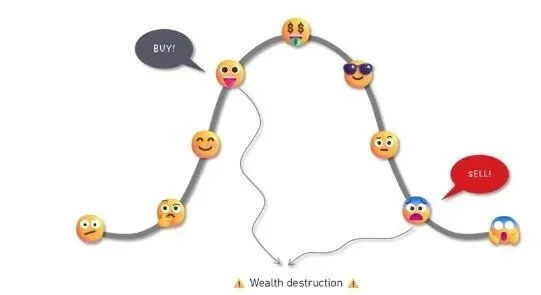
Figure 1: Greed and fear – humans are poorly wired to be good investors | Source: Albion Strategic Consulting,
As human beings, we simply can’t help it. Given that investors feel the pain of losses twice as much as the pleasure of gains, they are most vulnerable at times of market falls. A good adviser needs to act as an emotional counter-weight at these times and reinforce in the client’s mind (engaging the logical side of their brain) that the portfolio is structured as it is for a specific reason and knee-jerk reactions should be avoided at all costs.
Empirical insights demonstrate differences exist between returns that funds achieve, and the returns achieved by the investors in the fund. Whilst to some this may seem a confusing statement, the issue is due to the timing of investor cash flows into and out of the fund.
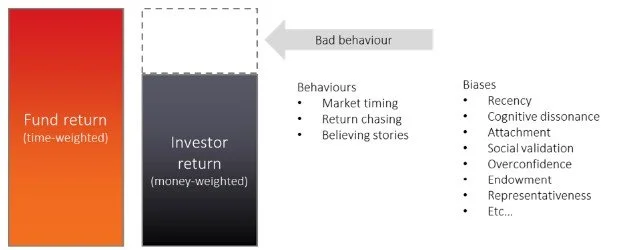
Figure 2: The behaviour gap | Source: Albion Strategic Consulting
It appears that fund investors are not good at market timing, resulting in achieving lower returns than the funds they invest in. This wealth destroying phenomenon has been coined 'the behaviour gap' by the industry and is widely observed across a range of fund sectors. Patience and discipline are surprisingly rare.
This behaviour gap is often somewhere in the region of 1% to 2% a year. Given the fee that most advisers charge as an ongoing fee, which should also include comprehensive financial planning and regular goal tracking, it is easy to see the value of employing a steady hand to guide an investor through choppy waters.
If this part of the series resonates and you feel perhaps you are not receive this type of investment coaching please feel free to get in touch via the link below.