Navigating the 2025 UK Budget: Key Takeaways for Advisers and Clients
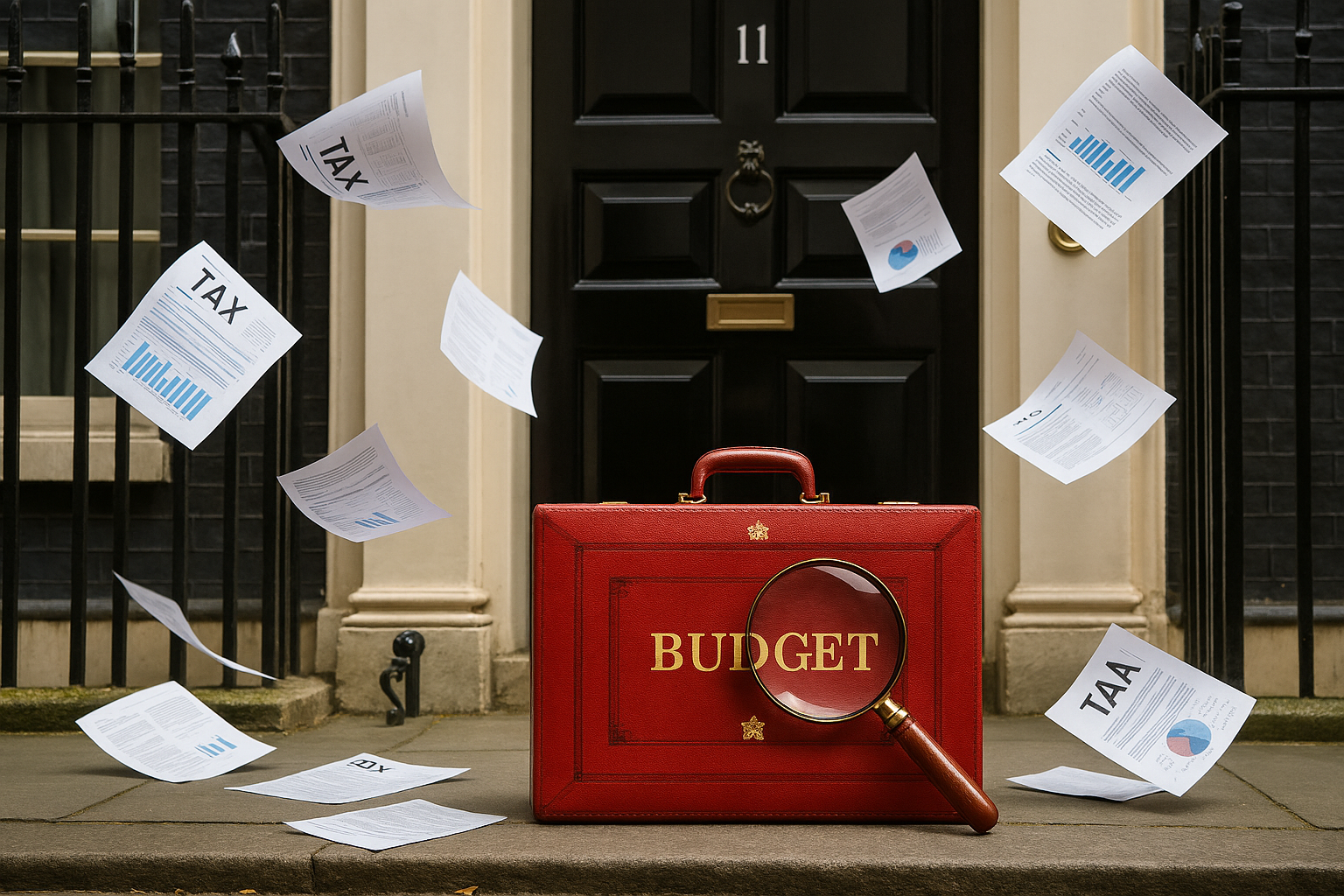
The recent UK budget, delivered by Chancellor Angela Reeves, was widely anticipated to bring sweeping changes. Instead, it landed as a relatively benign update—thanks to a surprise £16 billion windfall in the Office for Budget Responsibility (OBR) forecast, driven by higher wage growth and easing inflation. This unexpected fiscal headroom allowed the government to introduce welfare reforms and a series of targeted tax measures, with significant implications for individuals and business owners alike.
Three Pillars of Tax Change
The budget’s headline tax-raising measures fall into three main categories:
Extension of Allowance Freezes
The personal allowance, basic rate band, and inheritance tax (IHT) nil-rate band will remain frozen until 2031–32. This move alone is projected to raise £8 billion, primarily through fiscal drag as more individuals are pulled into higher tax brackets over time. For context, the IHT nil-rate band has now been frozen for over two decades, making first-death planning and lifetime gifting increasingly important for high-net-worth individuals.National Insurance Cap on Salary Sacrifice
From April 2029, salary sacrifice arrangements will be capped for National Insurance purposes, a change expected to raise £7.5 billion. While the impact will be felt most by employers who do not pass on NI savings, employees earning above the basic rate threshold should also review their arrangements. The consensus is that pension contributions remain the most tax-efficient method for profit extraction, with dividends as the next best option for most owner-managed businesses.Dividend and Savings Tax Increases
Dividend tax rates for basic and higher-rate taxpayers will rise by 2% from April 2026 (Basic, 10.75%, Higher, 35.75% and Additional, 39.35%, and savings tax rates will increase from April 2027 (to 22% basic, 42% higher, and 47% additional), the same applies to property income. These changes reinforce the case for using tax wrappers such as investment bonds, especially for clients in the “savings” phase of their lives.
Business Planning: Profit Extraction Strategies
For business owners, the budget reaffirms the value of a small salary (up to the personal allowance) combined with dividends. Pension contributions, however, remain the gold standard for tax efficiency. The Business Asset Disposal Relief tax rate will increase to 18% in April 2026, likely forcing business owners to review their exit strategies.
Inheritance Tax & Estate Planning
A minor but positive change allows the £1 million Agricultural and Business Property Relief (APR/BPR) allowance to be transferable between spouses. However, advisers are cautioned not to rely solely on transferable allowances, as this merely delays the tax liability to the second death. The major pension and IHT changes scheduled for April 2027 will heighten the focus on intergenerational wealth transfer and the use of trusts. Notably, Personal Representatives (PRs) will be able to instruct pension schemes to ring-fence 50% of death benefits for 15 months to cover potential IHT liabilities—a welcome simplification for complex estates.
ISA Rule Changes: Complexity Ahead
From April 2027, cash ISA subscriptions will be restricted to £12,000 for individuals under 65, with transfers from Stocks & Shares ISAs to Cash ISAs also set to be limited. The government may introduce a ‘charge’ on cash-like instruments held within a Stocks & Shares ISA, complicating the tax-free status of the wrapper. The Lifetime ISA regime is also under review, with potential for new contracts and further complexity.
State Pension: Tax Implications Loom
The commitment to the triple lock means the new State Pension is projected to exceed the frozen personal allowance by April 2027, pushing millions of pensioners into the income tax net. The government has hinted at mechanisms to protect those relying solely on the State Pension, but details remain to be seen.
Conclusion
While the 2025 budget may have lacked headline drama, its technical changes carry significant long-term implications. Advisers and clients should prepare for increased complexity in tax planning, estate management, and investment strategy. As always, proactive engagement and regular review remain the keys to navigating the evolving landscape.
If you found this blog of interest and wish to understand how the budget impacts on your own personal circumstances please feel free to get in touch by clicking the link below.